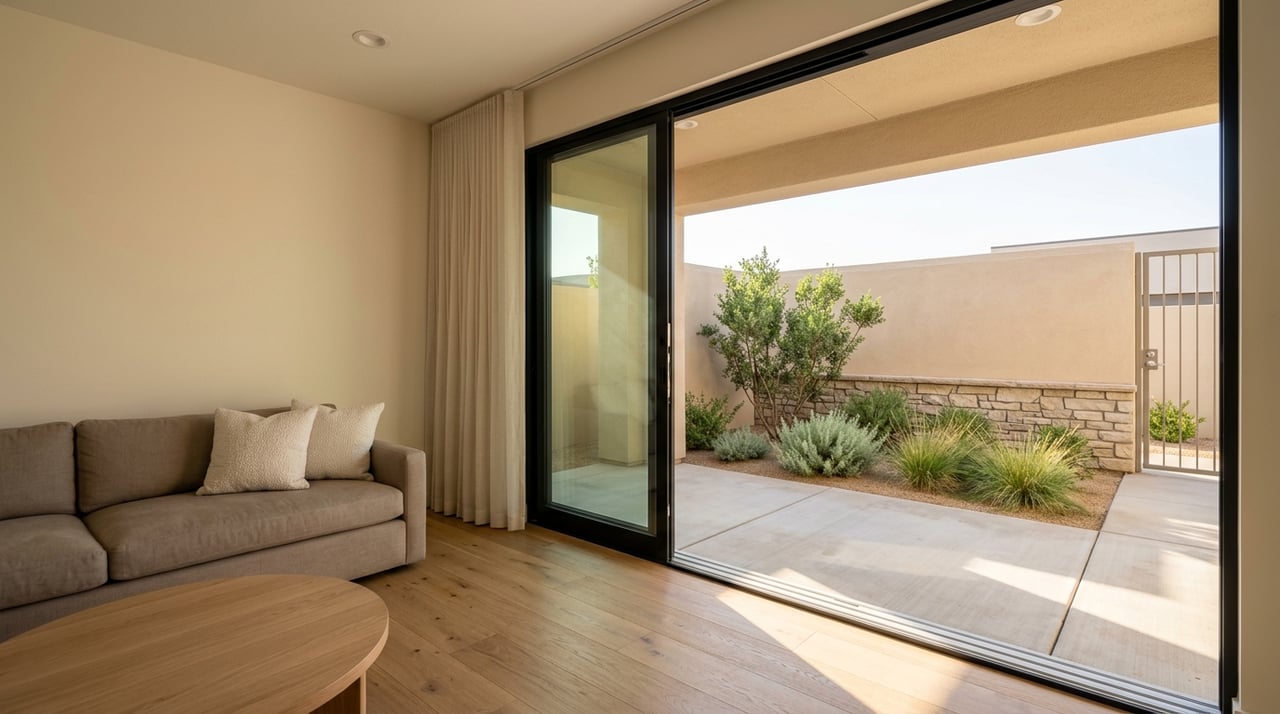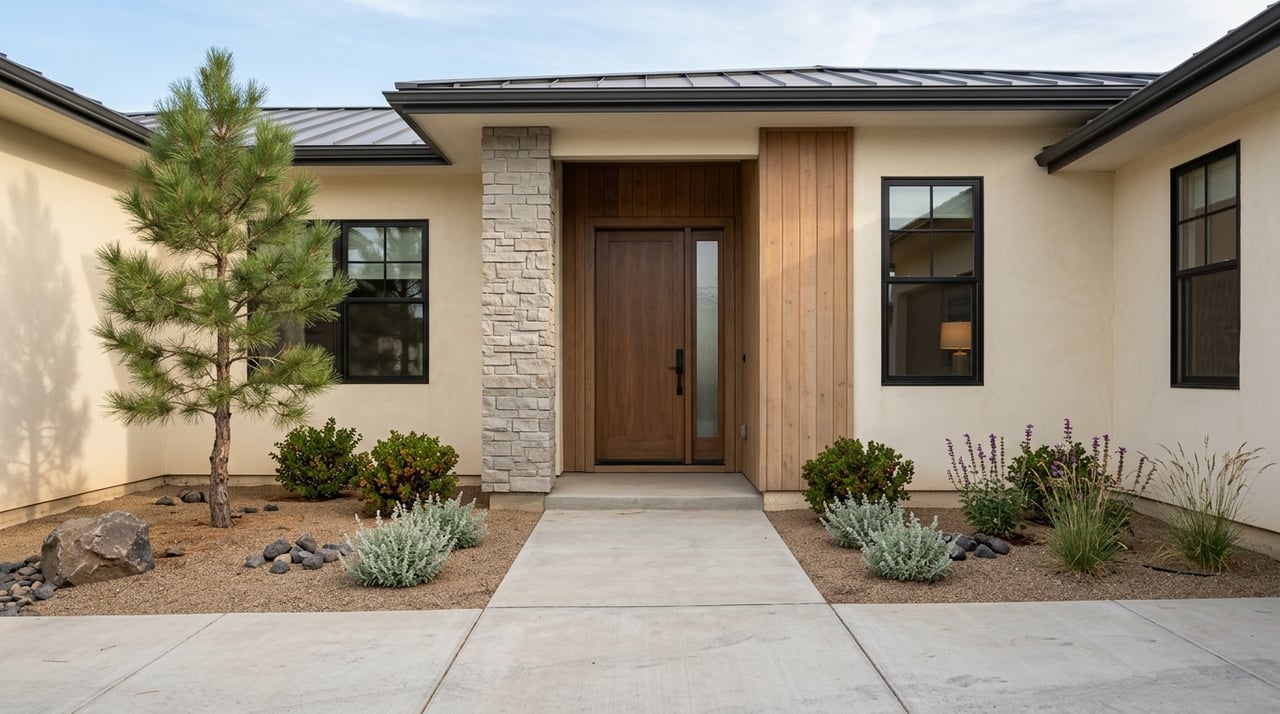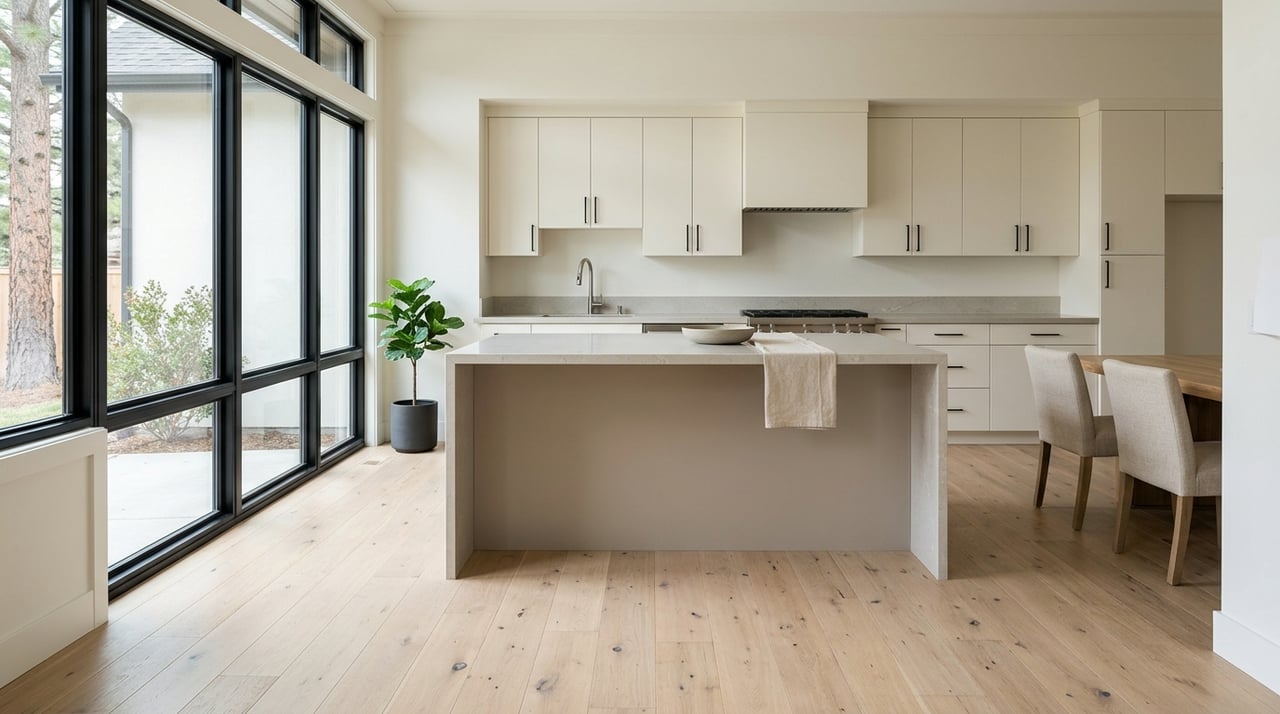
Are Reno buyers still paying close attention to presentation? Absolutely. Even in a market the City of Reno describes as stable and still in seller territory, homes are taking a closer look from buyers, with a February 2026 average single-family home value of $566,802, a median of 72 days to go under contract, and just 2.0 months of supply. If you want your home to feel compelling from day one, smart prep can help you stand out. Let’s dive in.
Why presentation matters in Reno
Reno’s market is not standing still, but buyers are still comparing options carefully. The City of Reno’s March 2026 economic update points to tight inventory, especially for homes priced near the average, while also showing that selling times have slowed compared with a faster market.
That means your home does not just need to be listed. It needs to feel well cared for, easy to understand, and move-in ready where possible. In today’s Reno market, condition and presentation can influence how quickly buyers connect with a home.
Start with what buyers notice first
Before you think about a major remodel, start with the basics. The most effective pre-listing work is often the simplest: decluttering, freshening visible surfaces, and fixing the details that make a home feel clean and maintained.
The National Association of REALTORS reported in 2025 that painting the entire home and painting one interior room were the two projects agents most often recommended before selling. The same report found that 46% of buyers were less willing to compromise on a home’s condition.
That is a strong reminder that small cosmetic improvements can carry real weight. If buyers see wear right away, they may assume there are bigger issues behind it.
Focus on paint and color
Fresh paint is one of the clearest ways to improve a home’s first impression. If your walls are scuffed, dark, or highly personalized, repainting can help your space look cleaner, brighter, and more current.
For staging and resale prep, neutral tones remain the safest choice. Soft whites, grays, and beiges continue to be the dominant colors recommended for homes going on the market, while bold reds, oranges, neon tones, purples, and saturated pinks are often less appealing to buyers.
If your budget is limited, focus first on the rooms buyers see most. A fresh, neutral look in key living spaces can often do more for your sale than a larger, more expensive redesign.
Update flooring and visible finishes
Worn flooring can pull attention away from everything else in the room. If your floors show obvious damage, heavy wear, or a dated look, cleaning, repairing, or replacing them may help the home feel more polished.
Wood floors have come back into favor because buyers appreciate their durability and appearance. If your home already has wood flooring, making sure it looks its best can be a smart move before listing.
You should also pay attention to fixtures and finish details. Cabinet pulls, faucets, switch plates, and light fixtures may seem small, but buyers notice these touch points up close. When they look updated and coordinated, the home often feels better cared for overall.
Give dated kitchens a lighter refresh
A dated kitchen does not always need a full remodel before you sell. In many cases, smaller cosmetic updates can improve the look without turning into a large project.
Simple changes like newer cabinet hardware, updated lighting, a backsplash refresh, or more coordinated finishes can help the kitchen feel cleaner and more current. These updates can improve the room buyers often study most closely, without the cost and disruption of a full renovation.
If you are unsure where to spend, this is where experienced local guidance can make a difference. A practical eye for finishes and presentation can help you choose updates that support the sale instead of over-improving the property.
Stage the rooms that matter most
Staging is not about making your home look artificial. It is about helping buyers understand the space, the layout, and how the home lives day to day.
According to the 2025 Profile of Home Staging, 83% of buyers’ agents said staging made it easier for buyers to picture a home as their future residence. The same report found that 49% of sellers’ agents said staging reduced time on market, and 29% said it increased the dollar value offered by 1% to 10%.
The most important rooms to stage are the living room, primary bedroom, and kitchen. If you are prioritizing time and money, start there.
Here are a few staging basics that can make a big difference:
- Remove excess furniture so rooms feel open
- Pack away personal items and highly specific decor
- Use fresh towels and bedding
- Clear countertops and visible surfaces
- Keep closets about half full so storage feels more spacious
Staging also does not have to mean a huge expense. In 2025, the median amount spent on professional staging was $1,500, while seller-agent staging had a median cost of $500.
Do a buyer-style walk-through
One of the best things you can do before listing is walk through your home as if you were seeing it for the first time. Pay attention to what feels dated, worn, crowded, or unfinished.
Look closely at high-traffic areas, entry spaces, walls, flooring, lighting, and exterior sight lines. If something stands out to you in the first few seconds, it will probably stand out to buyers too.
A simple pre-listing checklist can help:
- Touch up worn or chipped paint
- Repair visible flooring damage
- Replace outdated or mismatched fixtures
- Deep clean kitchens and baths
- Reduce clutter in main rooms and closets
- Freshen bedding, towels, and decor
- Tidy the front entry and yard
Check permits before bigger repairs
If you are planning more than cosmetic work, verify permit requirements early. This is especially important if you are considering electrical, plumbing, roofing, fencing, or exterior improvements.
The City of Reno says most construction projects require a building permit unless they fall under a specific exemption. Washoe County gives similar guidance and specifically flags projects such as electrical work, plumbing, water heaters, fences, and re-roofs as work where homeowners should begin the permit process.
If your property is inside Reno city limits, the City of Reno permit system applies. If it is in unincorporated Washoe County, county building rules apply instead.
This matters because pre-listing repairs can create delays if the work becomes undocumented or unpermitted. It is much better to sort out permit questions before work starts than when you are already preparing to go live on the market.
Don’t overlook Reno curb appeal
In Reno, exterior cleanup is not just about appearance. It can also connect to wildfire preparedness.
The City of Reno defines defensible space as the buffer around a home where vegetation is managed to reduce wildfire hazard. The city says this helps slow fire, protect the home from embers, flame, and radiant heat, and give firefighters room to defend the property.
That makes outside prep especially important in many Reno-area settings. Removing dead vegetation, clearing needles and leaves from roofs and gutters, and keeping the area near the house lean and clean can improve both safety and first impressions.
For many sellers, this is a two-for-one opportunity. Exterior cleanup can support curb appeal while also aligning with local wildfire-preparedness guidance.
Plan ahead for older-home paperwork
If your home was built before 1978, lead-based paint disclosure rules may apply. That does not mean there is a problem with the home, but it does mean the disclosure conversation should be part of your pre-listing planning.
Handling this early can help your sale move more smoothly once you are under contract. It is one more reason to get organized before your home officially hits the market.
A practical Reno pre-listing strategy
If you want a clear place to start, keep your prep simple and focused. In most cases, the goal is not to fully renovate. The goal is to help buyers feel confident about the home.
A smart Reno pre-listing plan often looks like this:
- Walk the home like a buyer and note visible issues
- Prioritize the living room, primary bedroom, and kitchen
- Freshen paint in neutral colors where needed
- Clean up flooring and update small fixtures
- Declutter and stage the most important spaces
- Verify permits before non-cosmetic repairs
- Tidy the exterior and address defensible space where applicable
- Prepare any needed older-home disclosures early
With the right plan, you do not need to do everything. You just need to do the right things in the right order.
Preparing a Reno home for today’s buyers takes a mix of local awareness, practical judgment, and attention to detail. That is where hands-on guidance matters. If you are thinking about selling and want a clear, honest plan for what to tackle before you list, Sandi Striker can help you prepare with confidence.
FAQs
What rooms should you prepare first before selling a Reno home?
- The top rooms to focus on are the living room, primary bedroom, and kitchen, since staging research found buyers respond most strongly to those spaces.
What paint colors work best when preparing a Reno home for buyers?
- Neutral colors like soft white, beige, and gray are the most widely recommended because they help rooms feel fresh, clean, and easier for buyers to picture as their own.
What home updates matter most before listing in Reno?
- The most useful updates are often cosmetic ones, such as fresh paint, cleaner or repaired flooring, decluttering, and updated fixtures like cabinet pulls, faucets, and light fixtures.
What permit issues should Reno sellers check before repairs?
- If you are doing more than cosmetic work, check permit rules early, especially for electrical, plumbing, roofing, fences, water heaters, or exterior improvements, since city and county requirements can affect timing.
Why does defensible space matter when selling a home in Reno?
- Defensible space helps reduce wildfire hazard, and exterior cleanup like clearing vegetation, leaves, and gutters can also improve your home’s curb appeal for buyers.